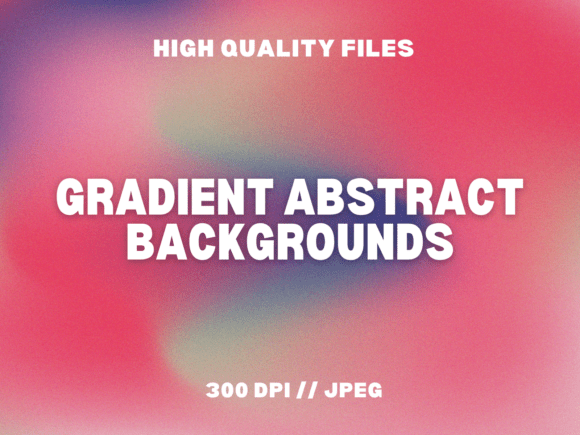
10 Gradient Abstract Backgrounds: Elevating Design with Color and Motion
Introduction to Gradient Abstract Backgrounds
Visual storytelling is a cornerstone of modern design, and one of the most impactful tools in a designer's arsenal is the use of gradient abstract backgrounds. These artistic elements are more than just aesthetic flourishes—they serve as foundational components that can transform a flat layout into a dynamic visual experience. The 10 Gradient Abstract Backgrounds collection offers a curated set of high-resolution designs that blend color theory, motion, and abstract art into usable, versatile formats.
Each background in this set is crafted with precision, ensuring smooth color transitions and rich visual depth. Whether used in digital or print media, these backgrounds provide a modern aesthetic that complements a wide range of creative applications.
Understanding the Composition of Gradient Abstract Backgrounds
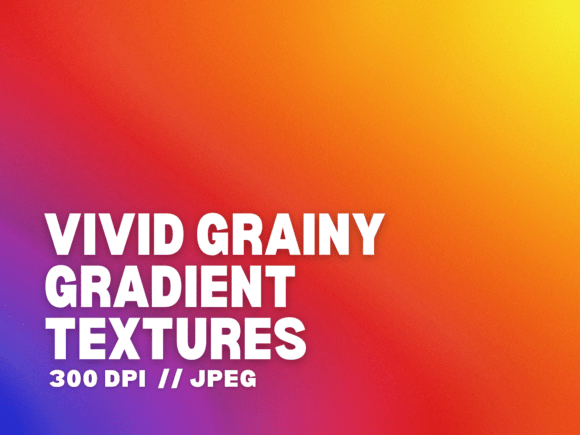
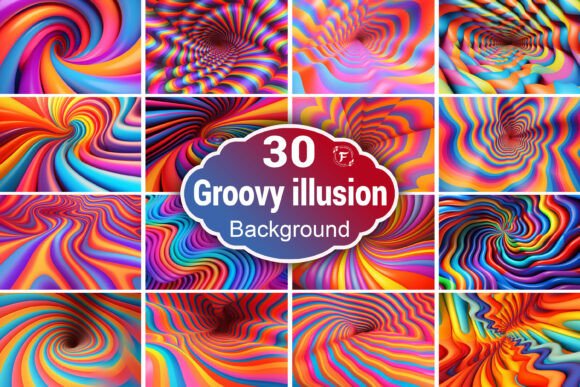
The strength of the 10 Gradient Abstract Backgrounds lies in their composition. Each file is a 4000 x 3000 pixel image at 300 DPI, ensuring clarity and detail at any scale. The gradients are not random color blends but are thoughtfully designed to evoke specific moods and atmospheres. From warm, energetic tones to cool, calming hues, the color palettes are selected to enhance visual engagement without overpowering the content layered on top.
These backgrounds are not just gradients; they incorporate abstract elements such as soft textures, geometric overlays, and subtle motion effects. This layering of design elements creates a sense of depth and dimension, making each background a unique canvas for creative work.
Practical Applications Across Design Disciplines
Designers across various fields can benefit from integrating these backgrounds into their workflows. Here are some of the most common and effective applications:
- Web Design: Use gradient abstract backgrounds as hero banners or background elements for landing pages. Their dynamic nature helps create a memorable first impression.
- Social Media Graphics: Enhance posts and stories with visually rich backgrounds that stand out in crowded feeds. These backgrounds can be used for quote cards, promotional banners, and more.
- Print Media: From posters to packaging, these backgrounds add a modern touch to physical materials. Their high resolution ensures they look sharp in print.
- Digital Art and Collage: Incorporate them into mixed media projects or use them as a base for digital illustrations. The abstract nature allows for creative freedom without clashing with other elements.
- Brand Identity: Backgrounds from the 10 Gradient Abstract Backgrounds set can be subtly integrated into brand assets like presentations, email templates, and marketing collateral to reinforce a cohesive visual identity.
Why These Backgrounds Stand Out
There are countless background resources available online, but what sets the 10 Gradient Abstract Backgrounds apart is the attention to detail and the balance between aesthetics and functionality. Here are a few reasons why these backgrounds are a valuable addition to any designer's toolkit:
- High Resolution: Designed at 4000 x 3000 pixels and 300 DPI, they are suitable for both digital and print use without any loss of quality.
- Versatile Color Schemes: The collection includes a variety of gradients, from bold and vibrant to soft and subtle, ensuring there's a match for every project's tone.
- Compatibility: Being standard JPG files, they work seamlessly with all major design software, including Adobe Photoshop, Illustrator, Canva, Figma, and more.
- Immediate Use: Once downloaded, these backgrounds are ready to use—no additional editing or preparation required.
Considerations for Effective Use
While gradient abstract backgrounds are incredibly versatile, using them effectively requires some consideration:
- Balance with Content: Since these backgrounds are visually rich, it's important to ensure that text and other design elements remain legible and prominent.
- Consistency: When using multiple backgrounds across a project, maintain a consistent color scheme or style to avoid a disjointed look.
- Context: Consider the purpose of the design. A background that works well for a tech startup's website may not be appropriate for a minimalist personal blog.
Inspiration for Creative Use
Designers are constantly pushing the boundaries of how backgrounds can be used. Here are a few creative ideas inspired by the 10 Gradient Abstract Backgrounds:
- Create a parallax scrolling effect on a website using layered gradient backgrounds to simulate depth and movement.
- Use a background as a subtle texture overlay on photographs or illustrations to add visual interest without distracting from the main subject.
- Design a series of branded social media templates that use matching gradients to maintain visual continuity across platforms.
- Incorporate a background into a print-on-demand product like phone cases, mugs, or wall art for a unique, artistic touch.
Integrating Gradient Backgrounds into Your Workflow
For those new to using gradient abstract backgrounds, the process can be simple and intuitive. Here’s a step-by-step approach:
- Select the Right Background: Browse the 10 Gradient Abstract Backgrounds collection and choose one that aligns with your project’s theme or color palette.
- Import into Design Software: Open the file in your preferred design tool and adjust the size or position as needed.
- Layer Content: Add text, images, or graphics on top of the background, ensuring there is enough contrast for readability.
- Export and Use: Save the final design in the appropriate format and resolution for your intended use, whether digital or print.
Conclusion: Enhancing Design with Purposeful Aesthetics
The 10 Gradient Abstract Backgrounds offer more than just visual appeal—they provide a versatile and professional solution for designers seeking to elevate their work. By combining color theory, abstract artistry, and technical precision, this collection empowers creators to produce designs that are both engaging and functional.
Whether you're crafting a digital campaign, designing print materials, or experimenting with new visual styles, these backgrounds can serve as a powerful foundation. With their high resolution, compatibility, and diverse applications, they are a valuable asset for any creative project.