Abstract Futuristic Interface Borders: Elevate Your Designs with Precision and Style
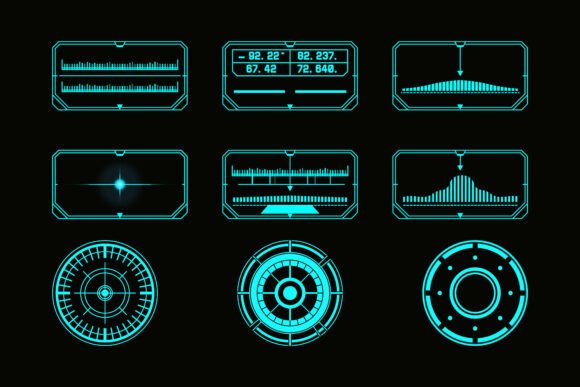
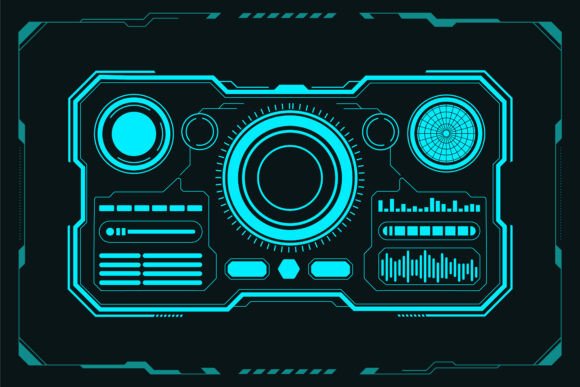
Designers across industries are increasingly turning to abstract futuristic interface borders to add a dynamic, modern edge to their projects. These vector-based design elements are more than just visual embellishments—they're tools that can transform the look and feel of digital and print media. Whether you're working on UI/UX mockups, branding materials, or immersive visual presentations, these borders offer a sleek, high-tech aesthetic that resonates with contemporary audiences.
What makes Abstract Futuristic Interface Borders stand out is their adaptability and scalability. Delivered in multiple formats such as AI, EPS, PNG, JPG, and SVG, they provide seamless integration into a wide range of design workflows. However, despite their appeal, many users overlook key considerations that can impact how effectively these elements perform in real-world applications.
Common Missteps When Choosing and Using Futuristic Borders
One of the most frequent mistakes is selecting borders based solely on visual appeal without considering how they align with the overall design intent. A border might look striking on its own, but if it clashes with the color scheme, typography, or layout of your project, it can actually detract from the message rather than enhance it.
Another common oversight is ignoring file compatibility. While the collection offers multiple formats, not all file types are equal in every design application. For example, SVG files are ideal for web use due to their scalability, while AI or EPS files are better suited for detailed print work. Using the wrong format can lead to pixelation, layout inconsistencies, or unnecessary file bloat.
Many designers also underestimate the importance of scale and resolution. Vector formats like SVG and AI maintain clarity at any size, but if you're working with PNG or JPG files, especially at low resolution, enlarging them can result in a blurry or unprofessional appearance. This often happens when users download previews or low-quality samples instead of the full-resolution versions.
How Mistakes Affect Final Outcomes
Using mismatched or poorly scaled borders can compromise the professionalism of your design. For instance, an oversized or overly intricate border in a mobile app mockup can make the interface appear cluttered and uninviting. In marketing materials, a low-resolution border might cause print artifacts that reflect poorly on your brand.
Additionally, choosing borders that are too generic or overused can make your design blend into the background rather than stand out. This is especially critical in competitive markets where visual distinction plays a key role in user engagement and brand recognition.
Smart Strategies to Avoid Design Pitfalls
Start by defining the purpose of the border within your project. Is it meant to frame a central element, guide the viewer's eye, or serve as a stylistic accent? Clarifying this will help you select borders that support your design goals rather than distract from them.
Always test the border in context before finalizing your choice. Place it within a mockup or prototype to see how it interacts with other design components. This helps you catch visual imbalances or technical issues early in the process.
When downloading or purchasing, ensure you're getting the full-resolution files and not just watermarked or compressed versions. Many platforms offer preview files that aren't suitable for professional use. Check the file details carefully before committing to a download or purchase.
If you're integrating these borders into a responsive web design or mobile application, prioritize SVG files for their scalability and performance. They maintain clarity across devices and screen sizes without increasing load times unnecessarily.
Key Considerations Before You Decide
Before incorporating Abstract Futuristic Interface Borders into your work, take a moment to assess the following:
- Licensing: Confirm whether the files are royalty-free or require attribution. Some design assets have usage restrictions that could affect commercial projects.
- Customization: Consider whether the borders can be edited in your preferred software. Vector files like AI and EPS allow for greater flexibility in color, shape, and detail adjustments.
- Compatibility: Match the file format to your intended use. Print projects may benefit from EPS or AI, while web and mobile projects often work best with SVG or PNG.
- Consistency: Ensure the border style aligns with the overall theme of your project. Mixing cyberpunk-style borders with minimalist layouts, for instance, can create visual dissonance.
Real-World Examples and Better Approaches
Imagine you're designing a promotional poster for a tech conference. You're drawn to a neon-style border from the Abstract Futuristic Interface Borders collection because it looks energetic and modern. However, if the poster's background is already complex with gradients and textures, the border might overwhelm the message.
A better approach would be to place the border as a subtle accent around the event title rather than the entire poster. You could also adjust the opacity or color to complement the existing palette without competing for attention.
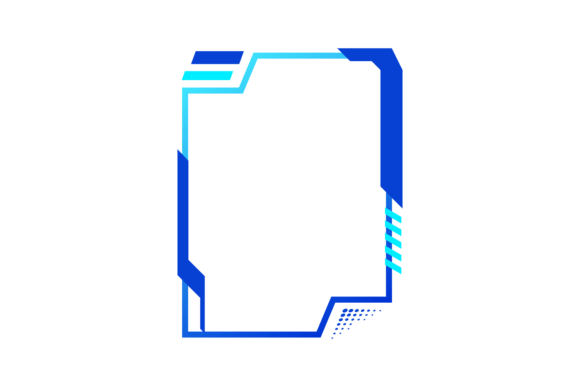
In another example, a UX designer might incorporate a geometric border into a mobile app interface to highlight the navigation bar. However, if the border is too thick or uses sharp angles that don't match the app's rounded UI style, it could feel jarring to users.
The solution? Opt for a thinner, smoother border that integrates naturally with the surrounding elements. This maintains the futuristic aesthetic while preserving usability and visual harmony.
Final Thoughts: Designing with Purpose and Precision
When used thoughtfully, Abstract Futuristic Interface Borders can elevate your creative work from ordinary to extraordinary. They offer a unique blend of form and function, allowing you to communicate innovation and professionalism through visual design.
By avoiding common mistakes—like mismatched styles, incorrect file formats, or poor scaling—you ensure that these borders enhance your work rather than hinder it. Always test your choices in context, verify technical details, and align your selections with your project's overall goals.
With the right approach, these borders aren't just decorative elements—they become integral parts of your design language, helping you communicate ideas more effectively and engage your audience in a visually compelling way.