Choosing the Right High-Tech Digital HUD Interface Template for Your Project
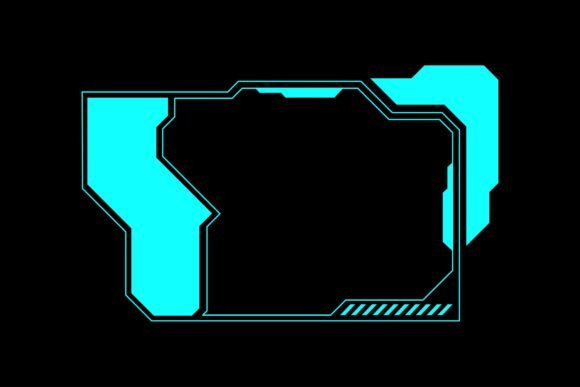
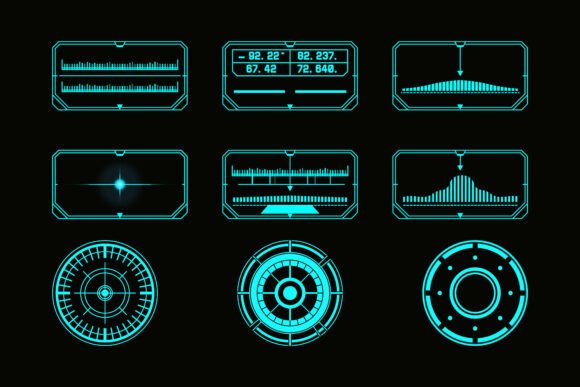
Whether you're designing a sci-fi game, developing a VR experience, or working on an interactive tech concept, the right interface can make or break the user experience. The High-Tech Digital HUD Interface Template offers a sleek, futuristic look that's versatile enough for a wide range of applications. Its clean, vector-based design allows for easy customization, making it a popular choice among creators looking to save time without sacrificing quality.
However, even the best tools can lead to disappointing results if not used correctly. Many users jump into using a HUD template without fully understanding its features or how it aligns with their specific needs. This can lead to wasted time, poor visual integration, or unnecessary costs down the line.
Common Mistakes When Choosing a HUD Interface Template
One of the most frequent issues is assuming that all HUD templates are created equal. Just because a design looks futuristic doesn't mean it will work well for your specific project. Some users download or purchase a High-Tech Digital HUD Interface Template only to find that it doesn't scale well, lacks the color flexibility they need, or isn't compatible with their software.
Another common oversight is not checking the source file format. While many templates claim to be editable, they may not include the right file types for your workflow. For example, if you're working in Adobe Illustrator and the template only comes in a raster format like PNG, you'll lose the ability to resize without quality loss. Always confirm that the package includes vector formats like EPS, especially if scalability is important for your use case.
Why Customization Matters More Than You Think
The High-Tech Digital HUD Interface Template advertises 100% color customization, which is a major advantage. But many users fail to test how easy it actually is to change color schemes. Some templates require advanced knowledge of design software or have locked layers that make editing frustrating.
Imagine designing a game interface where the default HUD colors clash with your environment. If the template isn't easy to recolor, you might end up spending more time trying to tweak it than building your actual content. Always look for templates with clearly labeled layers and grouped elements that allow for quick adjustments.
Resizing and Modifying: Simpler Than It Seems—If Done Right
Many users assume that resizing a template will distort the design, especially when working across different screen resolutions or aspect ratios. This is where vector-based designs truly shine. Unlike raster images, vectors maintain clarity at any size, making them ideal for HUD interfaces that may need to adapt to various display formats.
Still, some users overlook the importance of testing the template at different sizes before committing to it. For example, a HUD that looks sharp on a desktop monitor might become cluttered or unreadable on a VR headset. Always preview the template in your intended environment to ensure legibility and usability are maintained.
What to Check Before Downloading or Buying
Before investing in any High-Tech Digital HUD Interface Template, take a moment to verify the following:
- Source file availability: Does the package include EPS or AI files for full vector editing?
- Customization ease: Are layers clearly labeled and organized for quick edits?
- Compatibility: Will the template work with your design or development software?
- Usage rights: Is the template licensed for commercial use if needed?
Also, consider how the template might evolve with your project. If you're planning multiple updates or variations, having a flexible, modular design can save you hours of rework later on.
How to Avoid Costly Template Missteps
It's easy to get caught up in the visual appeal of a template and overlook practical concerns. To avoid disappointment, always download a preview version if available. This allows you to test the template in your own workflow before purchasing the full package.
For example, if you're a VR developer, try importing the HUD into your engine of choice and see how it behaves in motion. Does it remain legible during fast movement? Can you adjust transparency or glow effects without breaking the design? These real-world tests will give you a better sense of the template’s true value.
Practical Tips for Using the High-Tech Digital HUD Interface Template
Once you've selected a suitable template, here are a few best practices to ensure smooth implementation:
- Start small: Use the template as a base, then build your interface around it rather than forcing your content to fit a rigid layout.
- Test early: Preview your HUD in different lighting conditions and resolutions to ensure readability and consistency.
- Keep backups: Save your original template file before making edits, so you can always return to the clean version if needed.
- Document your changes: If you're working in a team, note any customizations made to the template so others can understand and build upon your work.
By taking a thoughtful approach to template selection and customization, you’ll not only save time but also enhance the overall quality of your project.
Final Thoughts: Make the Template Work for You
The High-Tech Digital HUD Interface Template is a powerful tool when used correctly. It offers flexibility, visual appeal, and a professional foundation for a variety of creative applications. However, like any design asset, its value depends on how well it aligns with your goals and how thoughtfully you implement it.
Don’t let a flashy design distract you from functionality. Always test, customize, and evaluate the template within the context of your project. With a little planning and attention to detail, you can avoid common pitfalls and create a polished, effective interface that enhances your work rather than hinders it.